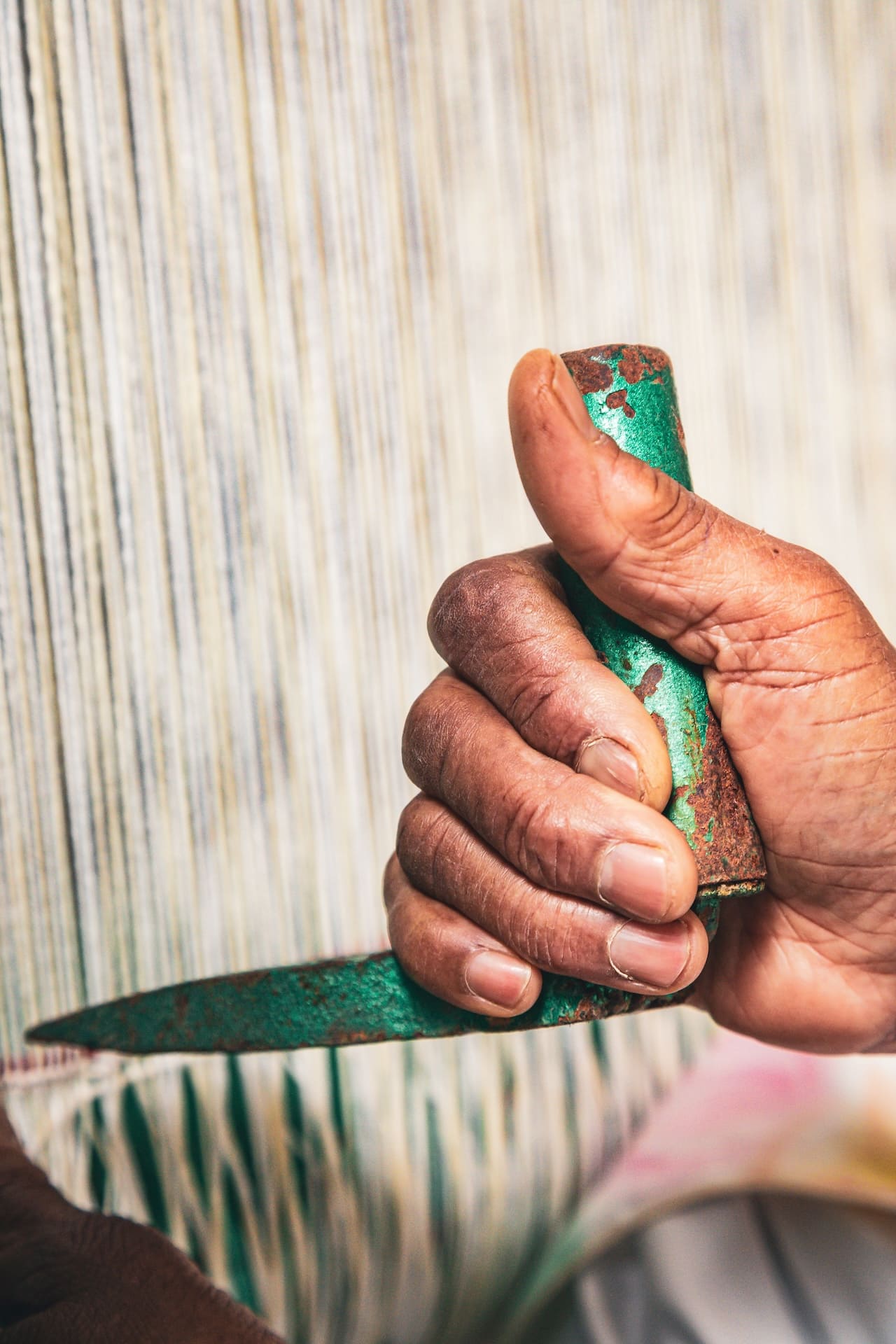
In the great tapestry of the world, everything has a limit, a border, a breath. For the carpet, this boundary is called Hachiya. The ancient weavers, when mentioning them, would lower their voices, for they knew that the fate of a carpet often lies in its edges.
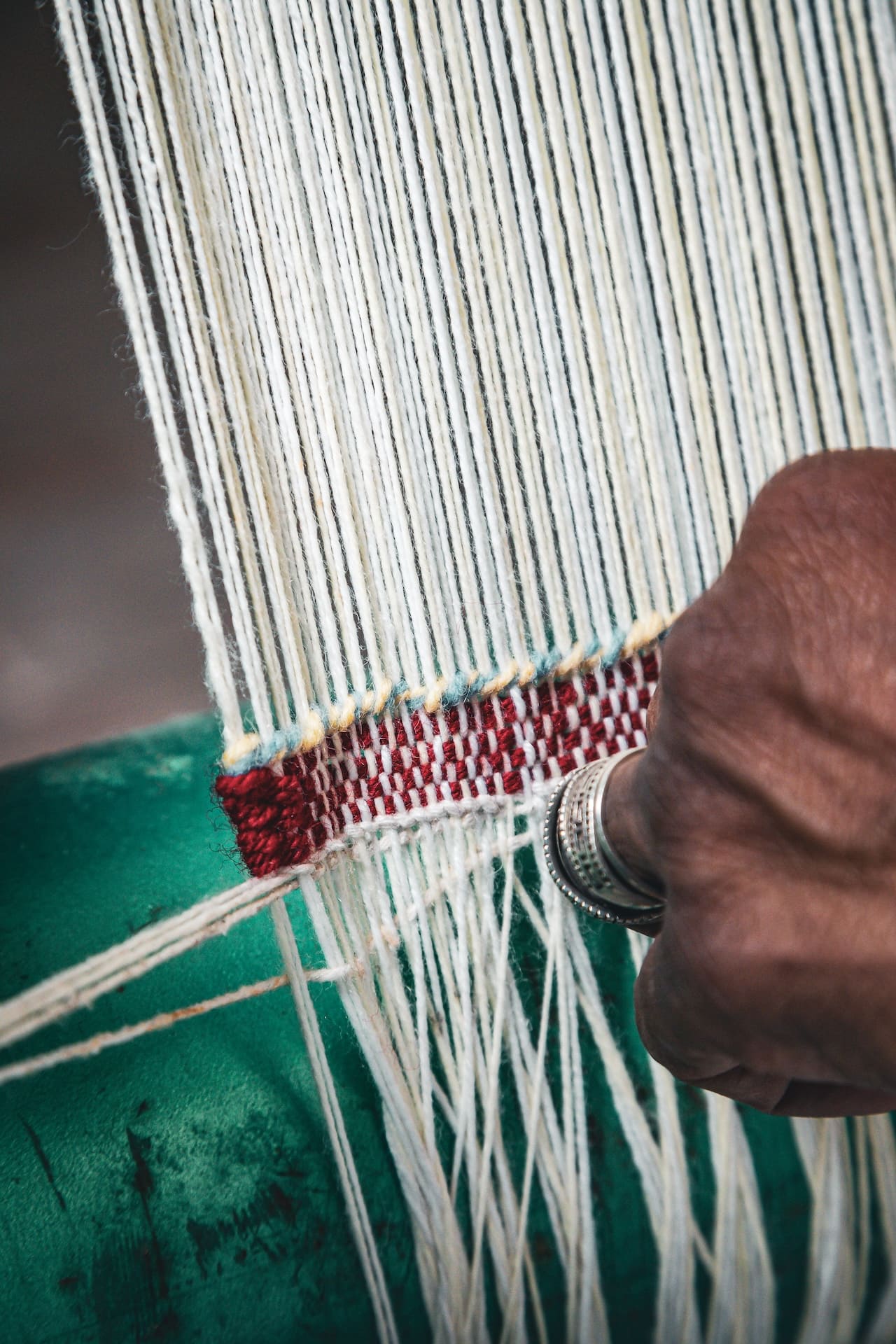
Hachiya, in plural Hachiate, refers to the lateral edges of the carpet, the margins of the weaving, the silent sentinels of the pattern. Their role is discreet but essential. They hold the knots, support the weft, and stabilize the entire piece. If they were to falter—worn out, cut, or poorly executed—the entire work could unravel. This is why, in the art of Rabat carpets, the edges are treated with infinite care, almost a sacred solemnity.
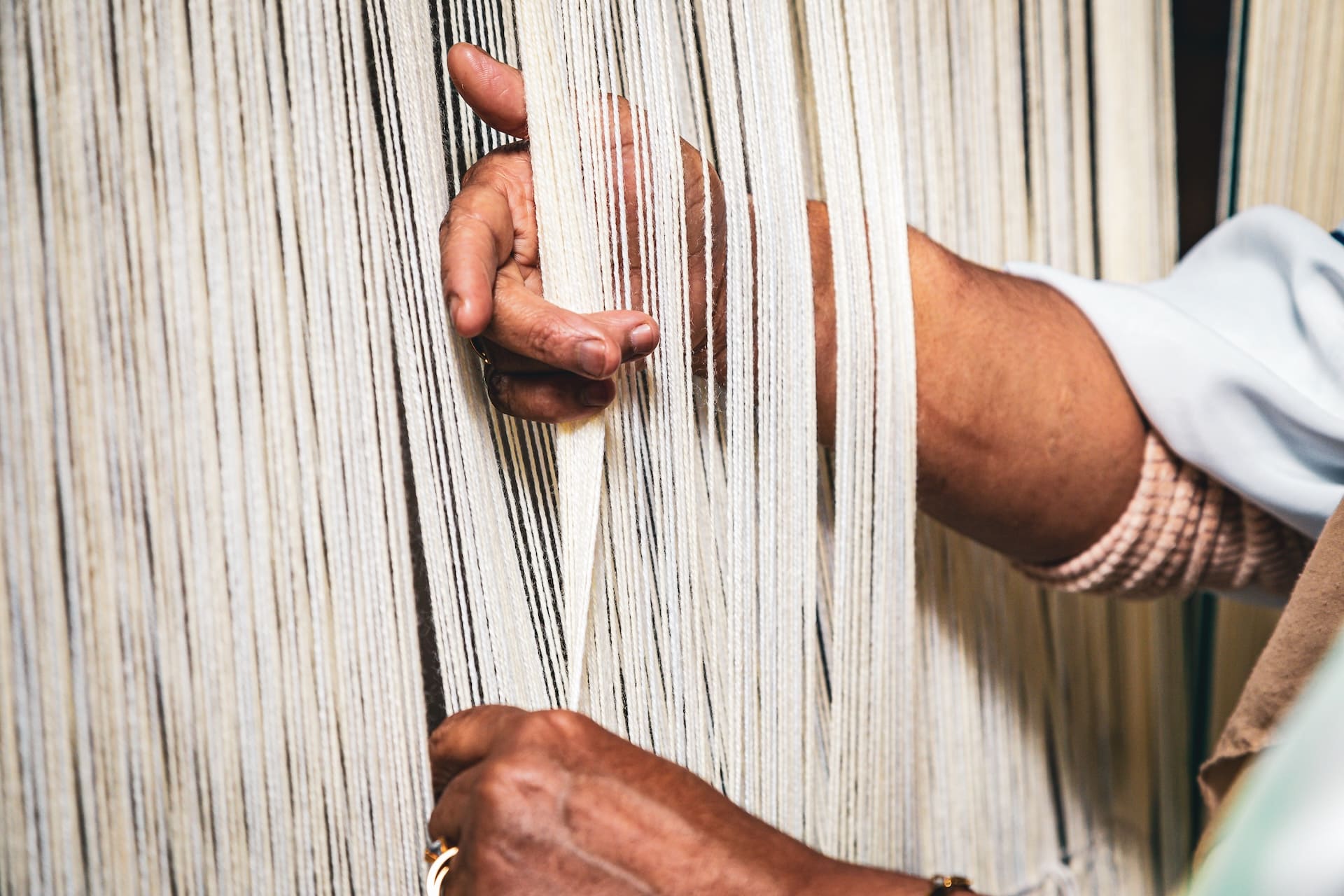
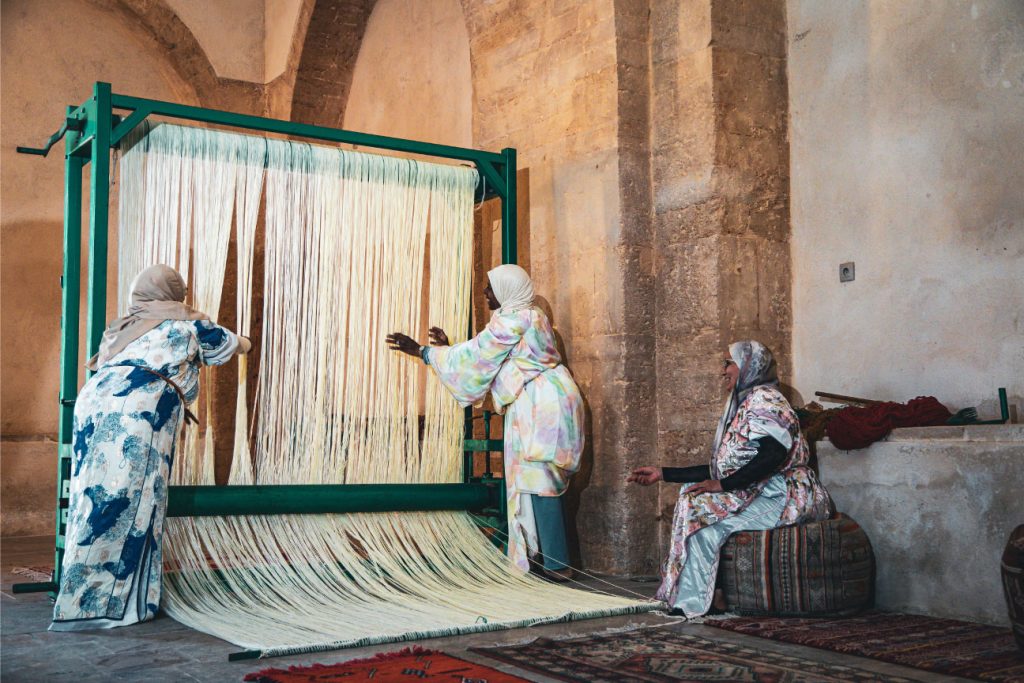
In ancient carpets, the weavers did not make the edges with just any thread, but with the very chain thread itself. This seemingly simple gesture carried a deep logic: the chain, stretched from the weaving setup, knows the structure of the carpet best. Entrusting the border to it is entrusting the preservation of the whole piece.
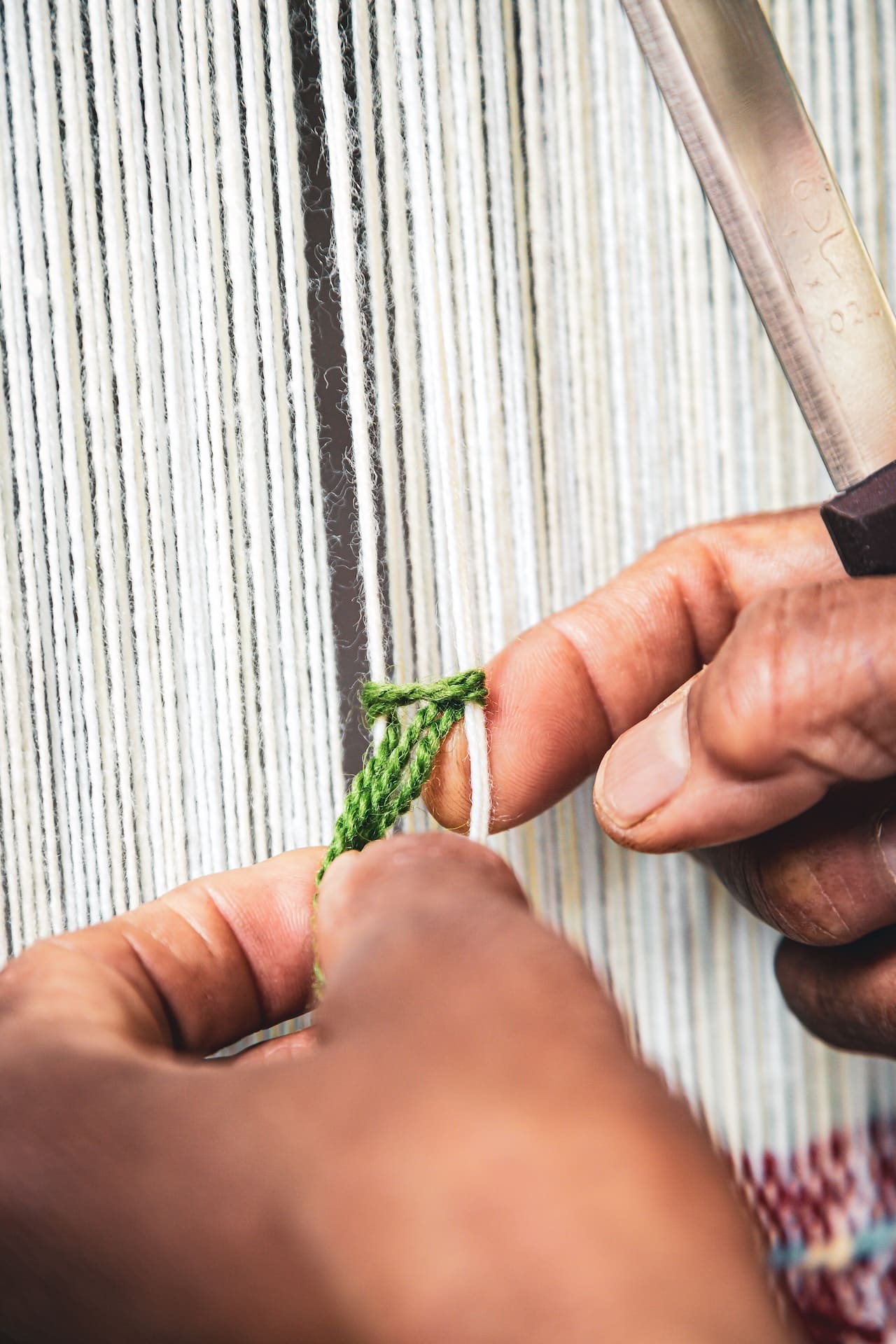
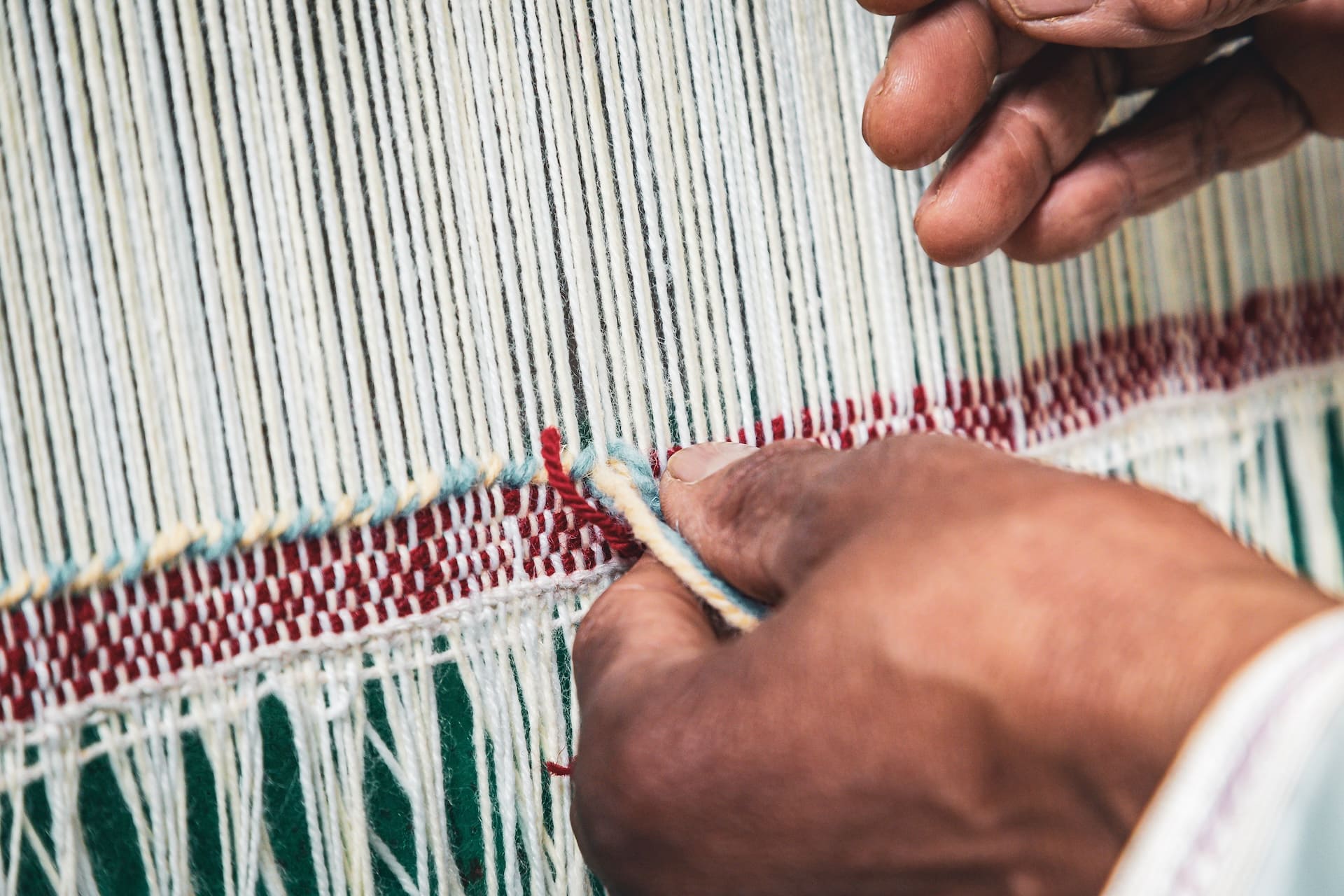
But this process requires a very particular skill. The chain threads destined to form the edges are grouped, twisted, and made into thick cords of two or three threads. They are called Aarq, plural Aarouq—literally, the “nerves” of the carpet. This term says it all: tension, strength, anchorage. These “nerves” support the weaving as the spine supports the body.
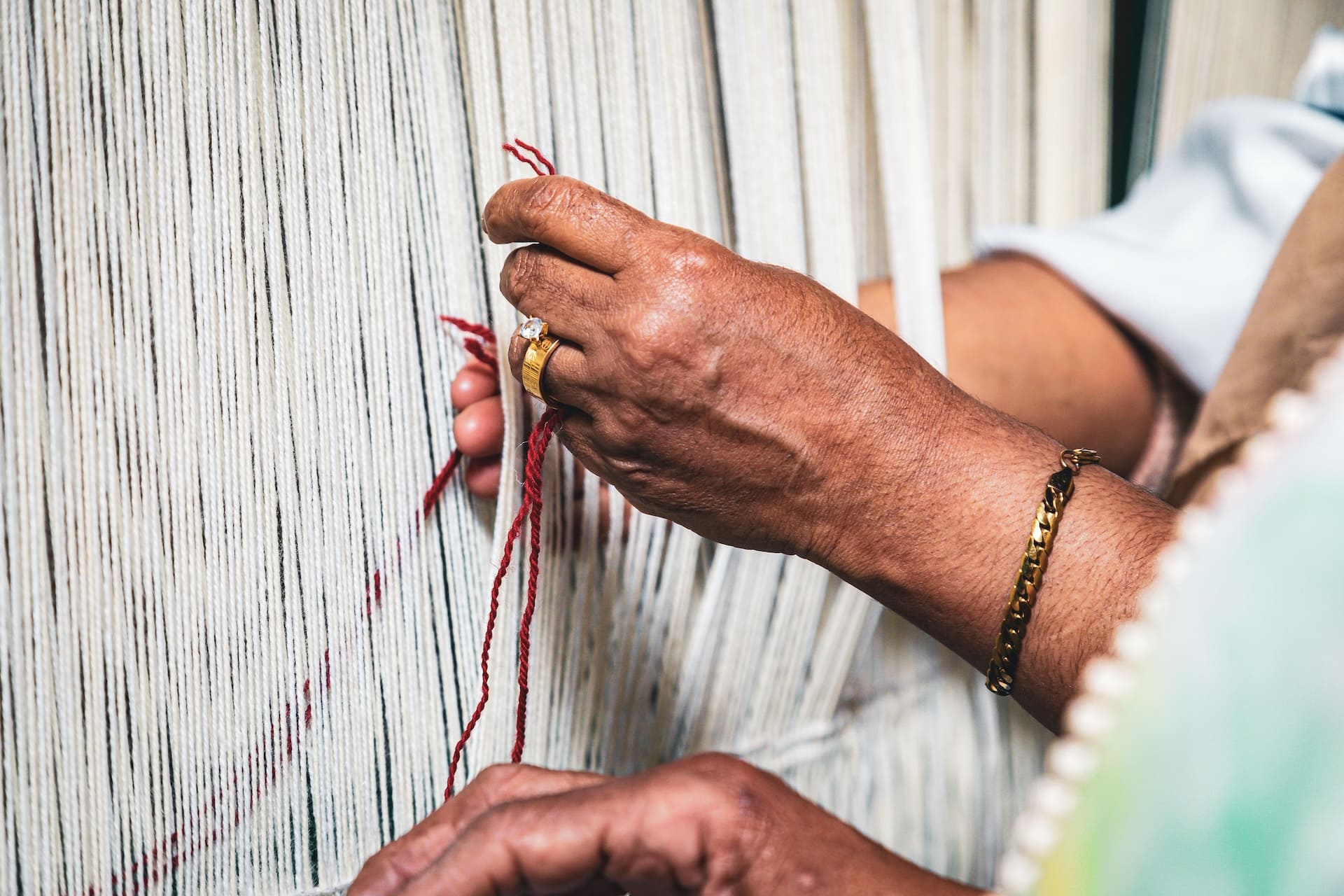
On these Aarouq, the weavers wind the thread in a very particular way: a firm winding, localized only to the edges, never spilling into the body of the carpet. This weaving of the edges is independent, yet connected, as its link with the whole carpet is made through the two duites that frame each row of knots (J’di). These duites also pass through the edges, solidifying them and integrating them into the overall architecture of the carpet.
The challenge is twofold: technical and aesthetic. A poorly tensioned edge causes the entire border of the carpet to ripple, to warp, to refuse to lie flat on the ground. A too-tight edge deforms the carpet. A loose edge causes the pattern to contract. The weavers of Rabat are well aware of this. That’s why they adjust each winding, check the tension of each Aarq, and monitor the regularity as a sailor checks the ropes of their sail.
But beyond the technical, there is the poetry of the gesture. The edges are also the margins of the story. Like the margins of an illuminated manuscript, they frame the message, preserve the center, and give the carpet breath. They are both protection and writing. Without them, the carpet would be a page open to the wind.
In the most refined carpets, some weavers even decorate the edges with micro-motifs, delicate intentional irregularities, like secret signatures. With an expert eye, one can recognize the hand of a particular master weaver by the shape of their edges. Where others see a border, they see an imprint.
Thus, the edges rise: solid, faithful, discreet. They do not shine at first glance, but it is thanks to them that everything holds together. They are the necessary silence around the song. They are the noble frame of the textile work. They are the outstretched wings of the carpet, ready to take flight.